


We’ve reached the final chapter of our “When Rivers Rise Fast” blog series , a journey designed to help our community better understand and prepare for flash floods.
Throughout this series, we’ve explored what makes flash flooding so dangerous, how our new flood warning system works, and the important role the San Antonio River Authority plays in managing and reducing flood risks across our watershed. We’ve also shared helpful tools and resources to plan safer routes and avoid flood risks on the road.
Now, to close out the series, we’re sharing six simple steps to help protect your property and belongings before a flood strikes. These easy, proactive measures can make all the difference when the water starts to rise.
Six Steps for Protecting Your Property
Flooding affects not only rivers and roads; it can start right at your doorstep. While the River Authority and our partners work on large-scale solutions, there are many simple, effective steps you can take around your home to reduce your flood risk and protect your belongings.
1. Keep Drains and Gutters Clear
Never blow leaves, grass clippings, or trash into storm drains. Blockages can cause water to back up into streets and yards. Clean gutters regularly so rainwater can flow away from your home.

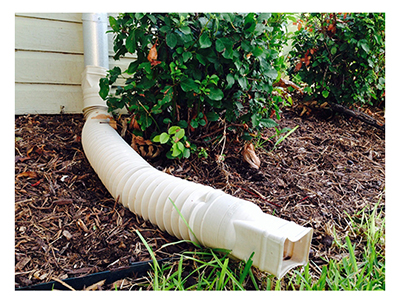
2. Direct Water Away from Your Home
Use rain gardens or strategically placed downspouts to guide runoff into your yard instead of toward your home, garage, or foundation. Extend the downspouts so water drains at least 3–5 feet from your house. Learn how to Build Your Own Residential Rain Garden.
3. Use Resilient Materials
In flood-prone rooms, avoid carpets or materials that can easily mold or degrade when wet. Consider tile, sealed concrete, or water-resistant flooring.

4. Protect Important Items
Store critical documents, electronics, and equipment on higher shelves or in watertight containers. If you have a two-story home, keep valuables upstairs during storm season.

5. Know Your Home’s Floodplain
Check local floodplain maps to see if your property is in a high-risk area. Even if you’re not in a mapped flood zone, heavy rain can still cause localized flooding, and you may need to consider buying flood insurance.

6. Stay Connected
Sign up for flood alerts and weather warnings and prepare an emergency kit with flashlights, batteries, water, and basic supplies.

Even though no home is completely flood-proof, small actions provide substantial protection. By knowing your risk, keeping drains clear, directing water away, using resilient materials, staying weather-aware, and safeguarding important possessions, you can reduce damage and recover faster when heavy rain hits. Print these easy-to-use checklists to keep the steps in one place:
This concludes our When Rivers Rise Fast blog series. Revisit the previous posts below to learn valuable information about flooding.
When Rivers Rise Fast Pt. 1 —NextGen Flood Warning System
When Rivers Rise Fast Pt. 2 —Flash Floods Uncovered
When Rivers Rise Fast Pt. 3 —The River Authority’s Role in Flood Response