
The San Antonio River flows through the heart of the city, weaving together urban landscapes, vibrant wildlife, and our collective responsibility to preserve it. Our river carries not just water but everything we allow into its flow. What you might not realize is that the river’s 240-mile-long journey from headwaters to the Gulf directly impacts the survival of some of nature’s most extraordinary creatures: Sea Turtles!
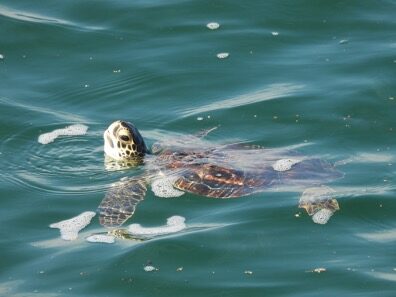
Photo Credit: Sal Scibetta, some rights reserved (CC-BY-NC)
Several species of sea turtles can be found along the Texas coast, with the Gulf serving as an important habitat for both nesting and foraging. While some species are primarily seasonal visitors that come ashore to lay eggs, others may be found in the Gulf year-round. The most frequently encountered sea turtles in Texas are the Kemp’s ridley, which nests on Texas beaches and is also known to inhabit Gulf waters throughout the year. Other species like the Green, Loggerhead, and Hawksbill Sea Turtles are more often seen in Texas waters during warmer months for feeding. The leatherback turtle, the largest of all sea turtles, is typically only seen during migrations from April through July.
Meet the Shell-ebrities that visit our Texas Coasts!
🐢 Kemp’s Ridley—The rarest and most endangered sea turtle, known for its synchronized nesting called “arribada,” where thousands nest together on a single beach. A Kemp’s Ridley diet consists of crabs, fish, jellyfish, shrimp, and mollusks.
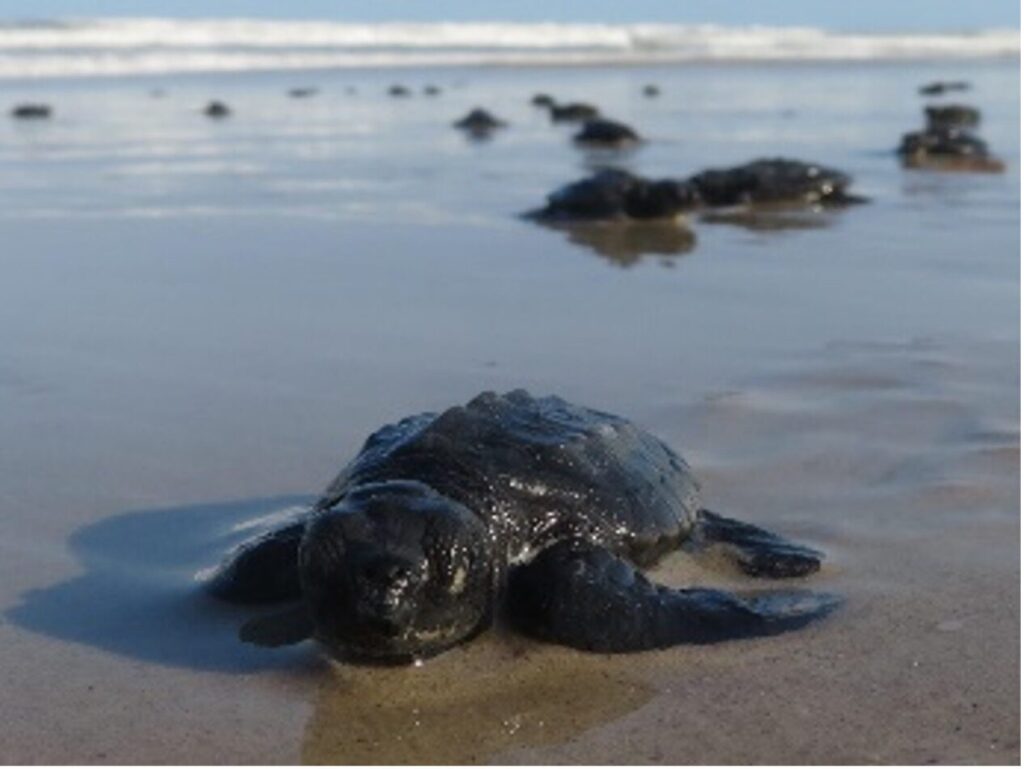
Kemp’s Ridley Sea Turtle hatchlings. Photo Credit: Amanda Gabehart, some rights reserved (CC-BY-NC)
🐢 Green Sea Turtle—Named for the greenish color of its fat, not its shell, it’s the only sea turtle that primarily eats seagrasses, seaweed, and algae, making it mostly herbivorous as an adult. Green Sea turtles also inspired the character “Crush” from Finding Nemo! Now give me some fin!
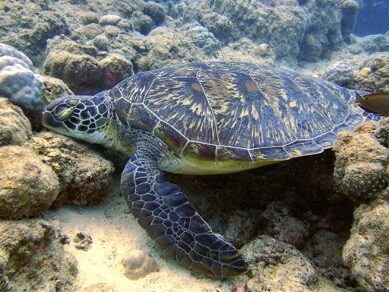
Green Sea Turtle. Photo Credit: H.Grenier, some rights reserved (CC-BY-NC)
🐢 Loggerhead—Has a massive head and strong jaws, perfect for crushing hard-shelled prey like crabs, horseshoe crabs, conchs, and mollusks. They are among the most migratory turtles, crossing entire oceans!
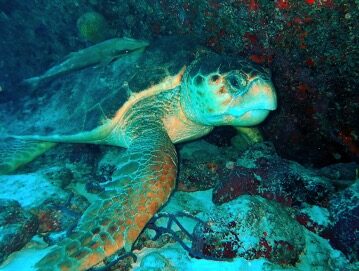
Loggerhead Sea Turtle. Photo Credit: maintzunun, some rights reserved (CC-BY-NC)
🐢 Hawksbill—Recognizable by its beautiful, patterned shell, which sadly made it a target for illegal trading. It mainly eats sponges, which are toxic to most other animals.
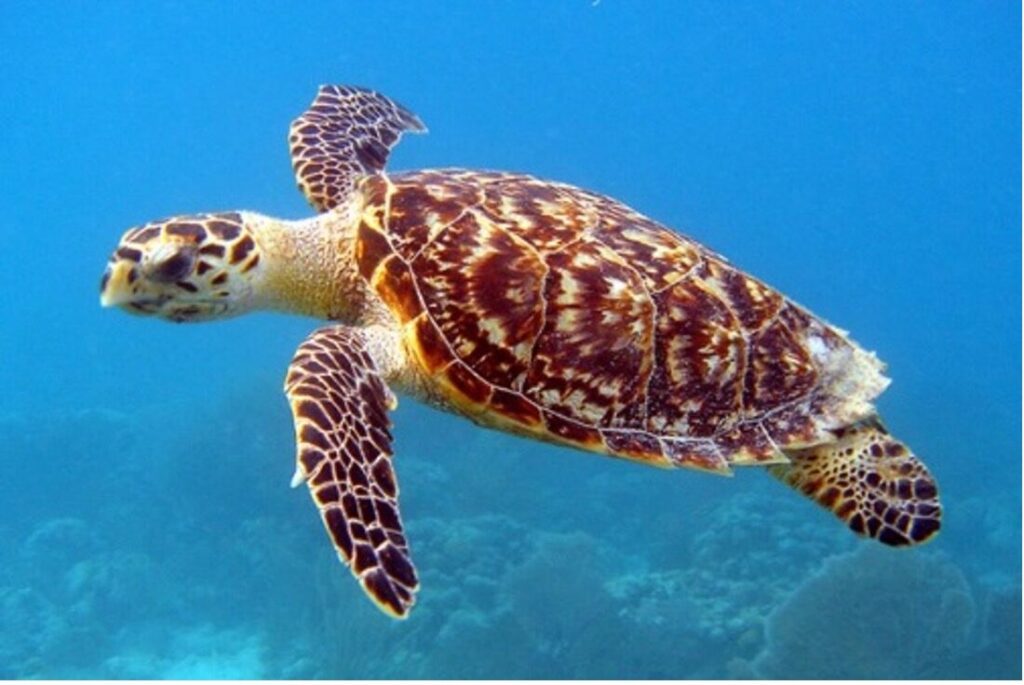
Hawksbill Sea Turtle. Photo Credit: USFWS
🐢 Leatherback—The largest sea turtle, generally growing to 8 feet long! It lacks a hard shell and instead has rubbery, leathery skin. It dives deeper than any other turtle, over 3,000 feet, to hunt jellyfish.
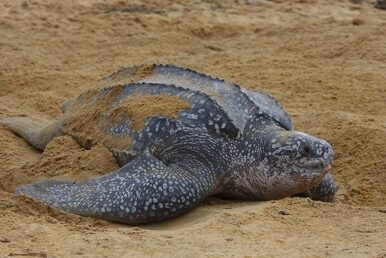
Leatherback Sea Turtle. Photo Credit: Maël Dewynter, some rights reserved (CC-BY-NC)
Saving Sea Turtles Starts Upstream
The Kemp’s ridley, Green, Loggerhead, Hawksbill, and Leatherback Sea Turtles all depend on the healthy marine and estuarine ecosystems connected to the San Antonio River. These species are federally listed as threatened or endangered, making our role in protecting their habitats even more critical. Pollution from urban runoff, litter, plastics, and bacteria travel downstream, with the potential to impact estuaries and marine ecosystems where these sea turtles feed, nest, and migrate.
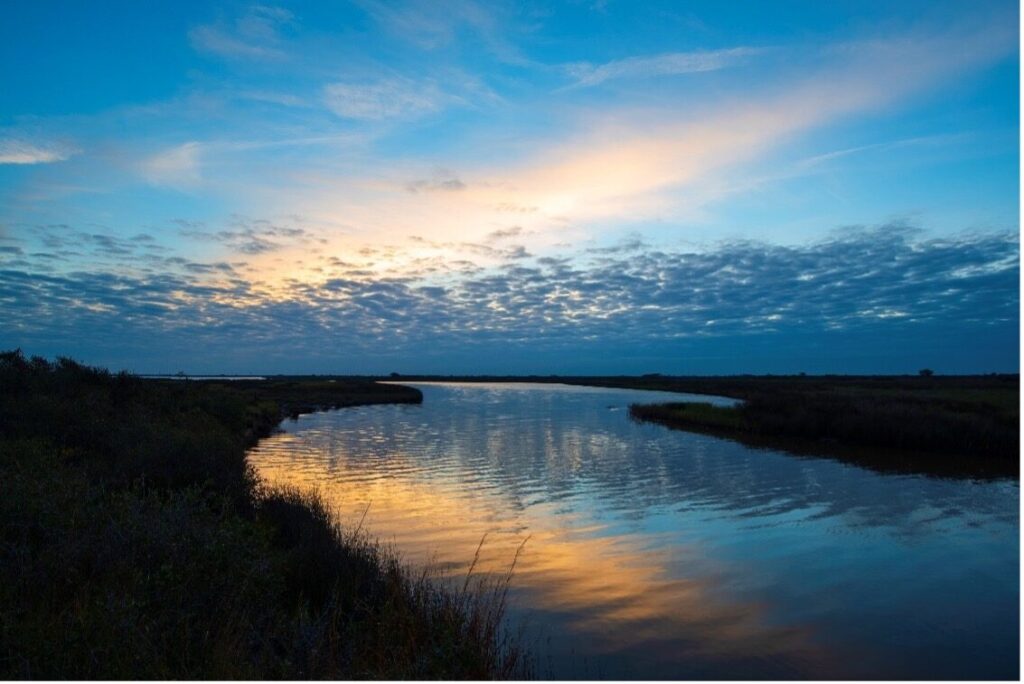
Estuaries, bodies of water where freshwater rivers meet the salty ocean, are prime real estate for sea turtle activities. By keeping our rivers clean and safe, we can protect the fragile coastal and marine environments that these sea turtles depend on.
Here are some ways we can contribute to healthier creeks, rivers, and sea turtle habitats:
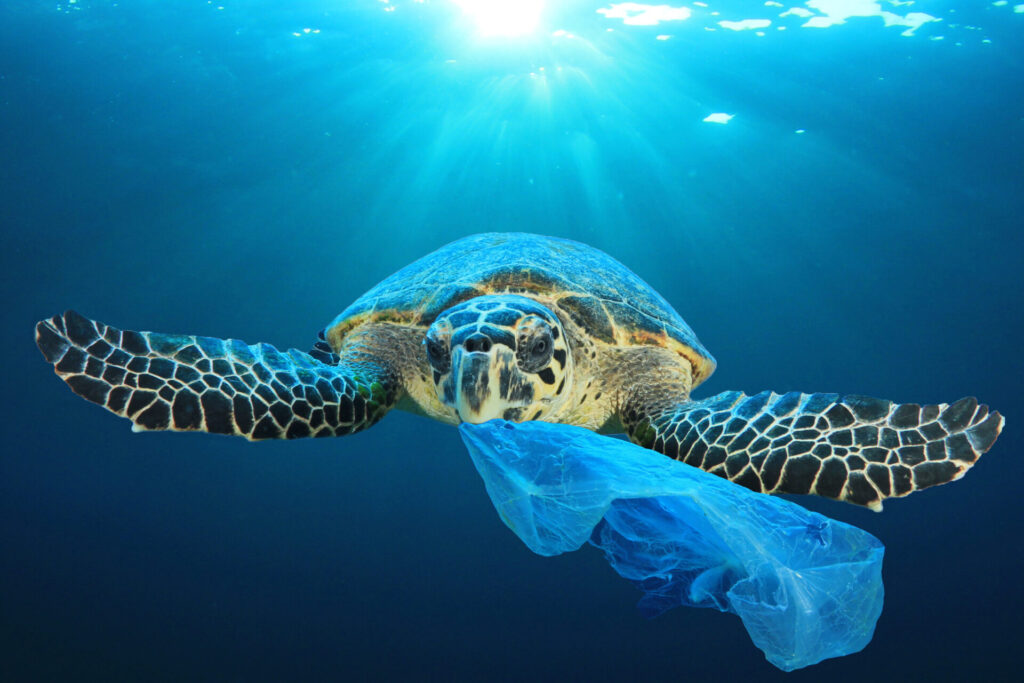
- Reduce Plastic Waste: Replace single-use items with reusable ones! For example, reusable cloth grocery bags, metal water bottles, and bamboo utensils. Plastics can end up as litter on the land and wash into storm drains during rain events. The plastic litter often breaks into microplastics or looks like sea turtles’ main food source — the jellyfish.
- Properly Dispose of Hazardous Waste: Dispose of household chemicals properly at designated drop-off locations. For example, the City of San Antonio’s collection locations in Bexar County or the River Authority’s spring and fall collection events in Wilson, Karnes, and Goliad counties!
- Manage Stormwater Runoff at Home
- Install a low-impact design element, like a rain garden, on your property to capture stormwater and the pollutants it may contain.
- Avoid washing your car in the driveway, where runoff can enter storm drains, or use a commercial car wash instead.
- Reduce or avoid the use of fertilizers and pesticides. Runoff from these chemicals promotes harmful algal blooms that can destroy coastal habitats.
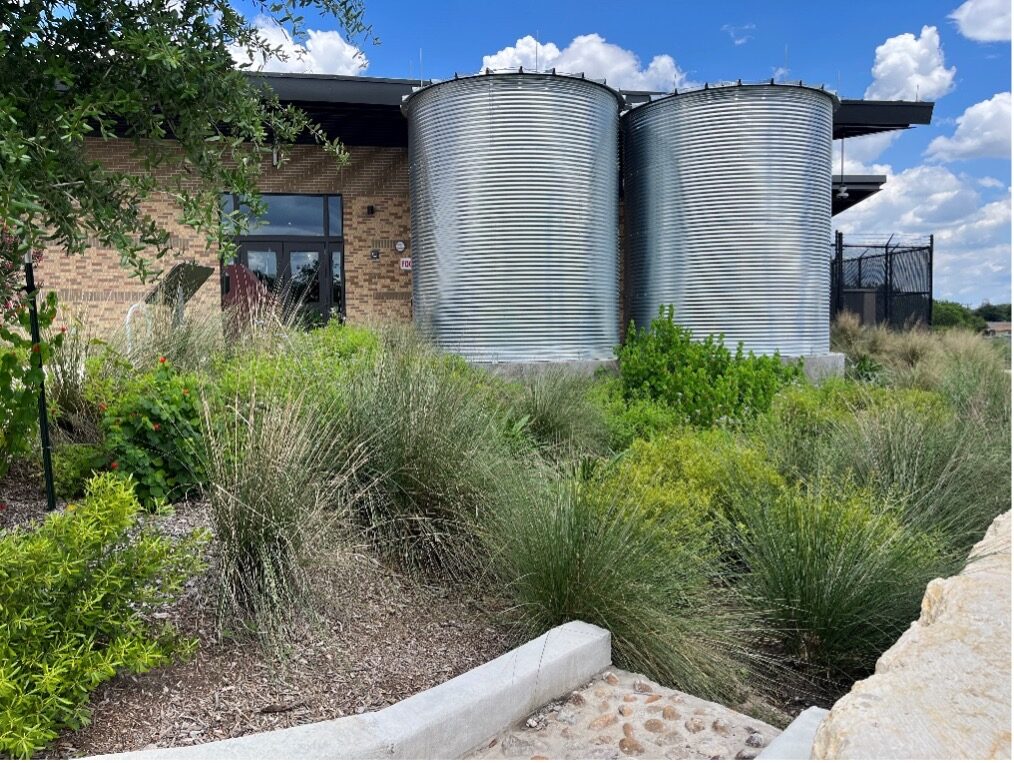
- Low-impact development, like the cisterns and bioswales at the Berta Almaguer Dance Studio & Community Center in San Antonio, can help prevent stormwater runoff.
- Participate in Community Programs: Advocate for policies that promote nature-based solutions and sustainable water management in our communities! Volunteer with the River Authority’s River Warrior Volunteer Program, San Antonio’s annual Basura Bash event, or your school, work, or community volunteer group. No matter where you help in the San Antonio River Watershed, your efforts will make a difference!
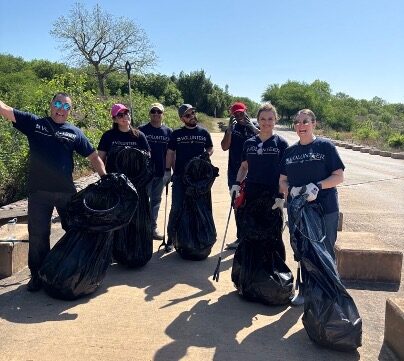 Check out these other ways to volunteer below:
- Educate and Advocate: Share the connection between our San Antonio River and sea turtles with friends and family. Attend a sea turtle hatchling release! Support organizations working to protect sea turtles, like the Gulf Center for Sea Turtle Research or Sea Turtle Inc.
Together, We Can Make a Difference
Every choice we make here in San Antonio has a ripple effect that can reach as far as the Gulf of Mexico. By taking small but meaningful actions to protect the creeks and rivers of the San Antonio River Watershed, we not only improve our own community but also help preserve critical habitats for Kemp’s Ridley, Green, Loggerhead, Hawksbill, and Leatherback Sea Turtles.
Let’s work together to ensure that these incredible creatures continue to grace our oceans for generations to come!