
Last Updated on March 3, 2026
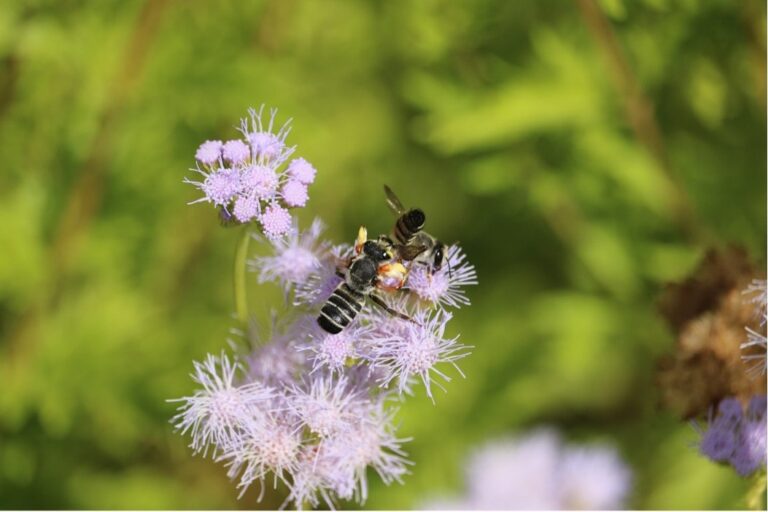
During National Invasive Species Awareness Week, we’re highlighting some of our favorite native river warriors—plants and animals of the San Antonio River that quietly defend our waterways as they limit the spread and impact of introduced species. Read on to learn about these native champions and how they preserve the biodiversity and ecosystems that keep our river and communities healthy!

How Invasive Species Disrupt Our Rivers
An invasive species is a plant or animal introduced to an area by humans, whether intentionally or accidentally. Once introduced, these organisms can establish and spread quickly, often due to traits like high reproductive rates and generalist diets. They can survive a wide range of environmental conditions and typically face fewer limiting factors, such as predators or resource constraints, which would otherwise keep their populations in balance in their native range. The spread of invasive species often results in significant problems for native organisms, which now have extra competition over vital resources such as food, water, and space. When invasives are left unchecked, biodiverse ecosystems which once provided important ecosystem services can begin to break down, degrading those functions.
Native Predators on Patrol
Healthy predator populations are often nature’s way to keep an ecosystem balanced and provide a first line of defense against invasive species. Predators large and small can act as a hurdle to non-native species, making it harder for them to reproduce in an area. If native predators can catch a potential invader before it establishes a sustaining population, they can sometimes slow or even stop its spread.
In San Antonio and the surrounding area, animals like feral hogs and nutria are preyed upon by predators such as coyotes, bobcats, and birds of prey, which have shown incredible adaptability to non-native prey. When these predator populations are allowed to flourish, ecosystems are better equipped to stay balanced and resilient.


Outgrowing the Invaders: The Black Willow
Predation is not the only way that natives fight back against non-native invaders. Native species that perform the same job or “niche” in an ecosystem can contend directly with their new competition. For example, the Black Willow (Salix nigra) grows quickly, giving invasive species like Giant Reed a run for their money. Unlike invasive species, the Black Willow provides deep root systems that support bank stability and produces flowers that serve as an important food supply for pollinators.

Meet the San Antonio River Basin’s Most Wanted
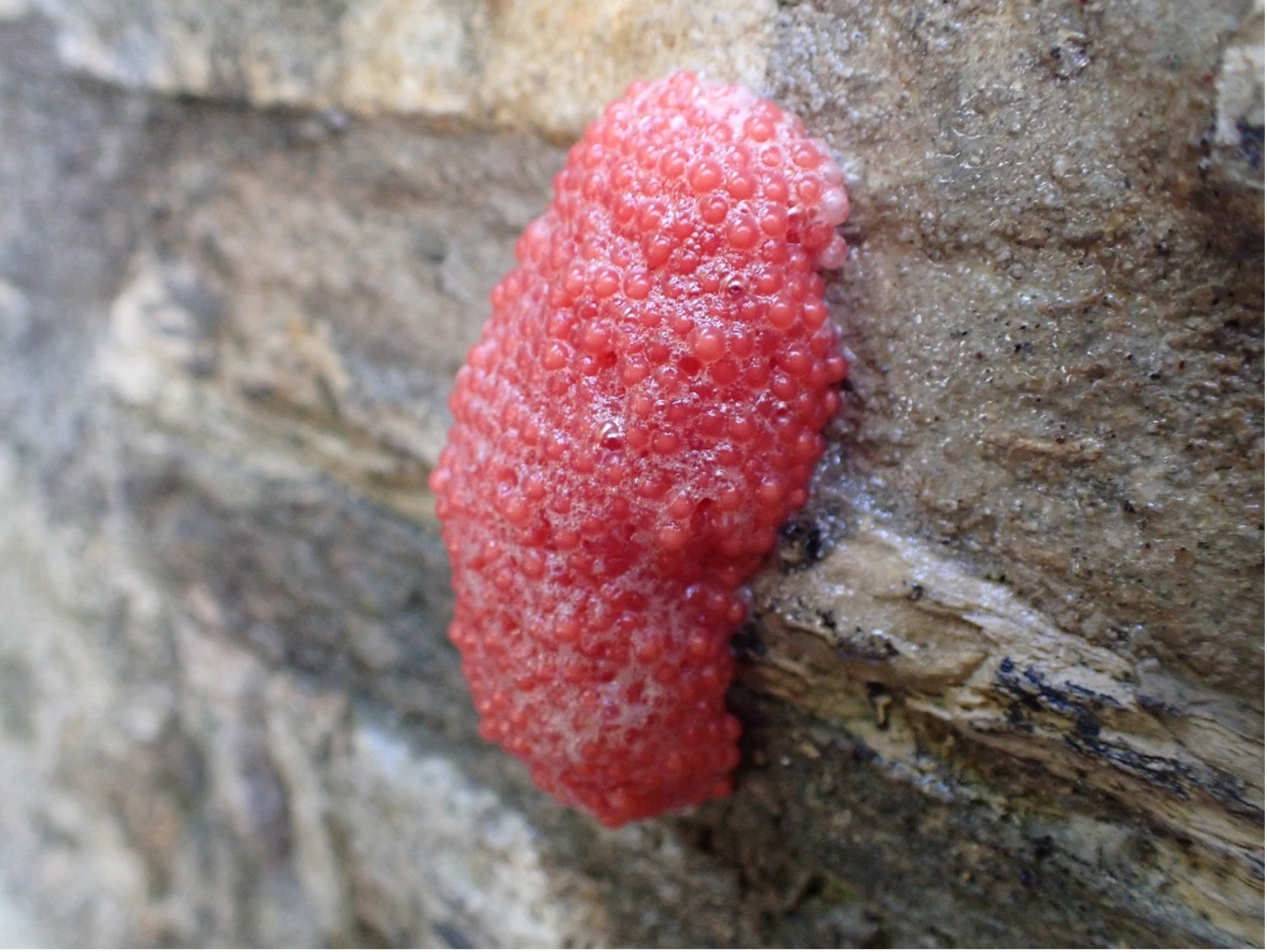
One of the most well-documented examples of invasive species in San Antonio is the Giant Apple Snail. This infamous creature has invaded the San Antonio River since early 2020, impacting local aquatic plant communities and adding another level of stress onto organisms that depend on those plant communities. Unfortunately, the invasive problem does not stop with apple snails. Feral hogs, Giant Reed, and a variety of other non-native plants and animals have been introduced to the San Antonio River Basin, harming our natural resources as they spread.


Join the Defense!
While it’s important to recognize the incredible work our native organisms do to protect their ecosystems, invasive species are a human-caused problem that requires human action to fully address. In many cases, invasive species can overcome natural barriers like predation and competition and still cause lasting damage.
Protecting our river is a shared responsibility and requires participation from both humans and wildlife to make a difference. You can help by learning to identify invasive species and sharing that knowledge with others, cleaning outdoor gear before and after use to prevent accidental spread, and getting hands-on by joining the River Warrior Volunteers in supporting native species as they work to reclaim their habitat.

Every action — big or small — strengthens the resilience of the San Antonio River!