
Did you know there’s more to the mosquito story than just itchy, annoying “bites”? This spring, we’ve been fortunate to receive a good deal of rain, blessing us with plenty of spring and summer blooms but also creating ideal conditions for robust mosquito populations because of their notorious connection to water: they need it to breed!
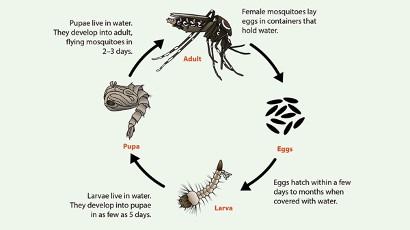
While we love to hate them, when we learn about the life cycle of mosquitoes, we can understand effective and healthy ways to manage their populations, thus protecting people, pets, and wildlife! With more balanced mosquito populations (fewer bites!), we can also gain greater appreciation for their role in our local ecosystems.
What Exactly Is a Mosquito, Anyway?
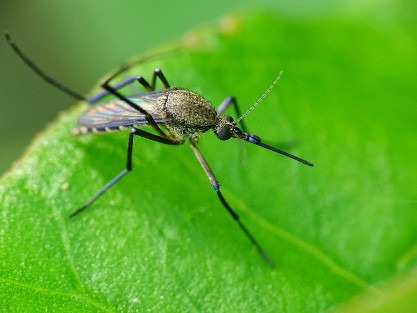
The name “mosquito” originates from Spanish and Portuguese, where it means “little fly” (mosca means “fly,” and –ito means “little”). As their name suggests, they are a type of (little) fly that lays eggs in stagnant or slow-moving water or areas that are frequently inundated by rainwater. Practically no water is too shallow—even a capful can host growing mosquitoes! You can often first detect mosquitoes by seeing their wriggling, worm-like larvae in standing water. This often happens in the days after rain when water pools in items like buckets, wheelbarrows, plant saucers, old tires, clogged drains, or gutters.
Could Mosquitoes Be… Beneficial?
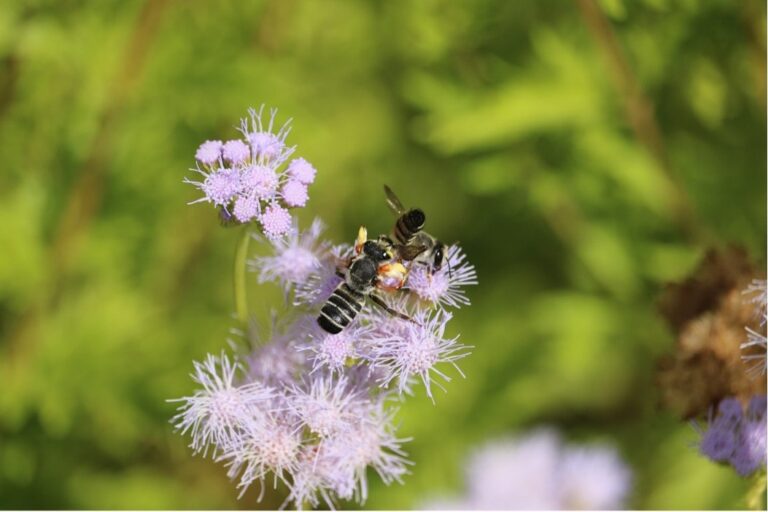
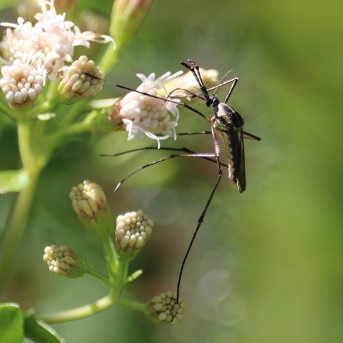
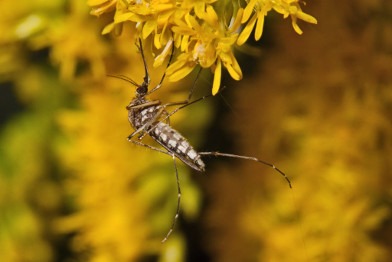
Absolutely! Mosquitoes play several valuable roles in our local ecosystems. Most adult mosquitoes—male and female alike—feed on plant nectar and sap, making them important pollinators alongside butterflies and bees. Beyond pollination, mosquito adults and their larvae serve as a vital food source for fish, dragonflies, bats, lizards, spiders, and other insects. By learning these surprising facts, we can gain a greater appreciation for the role mosquitoes play in our local ecosystems!
Dump, Drain, Repeat: Your Best Defense
With 85 identified species of mosquitoes in Texas alone, it’s understandable that many people turn to a frenzy of pesticides just so they can enjoy summer outdoors! Still, some of these techniques fail to control mosquitoes and might unintentionally harm other creatures and even affect our own health.
Some of the best ways to prevent mosquito takeovers in residential areas is to be vigilant and dump standing water in the days immediately after rain. Make it a scavenger hunt and get your neighbors on board too!
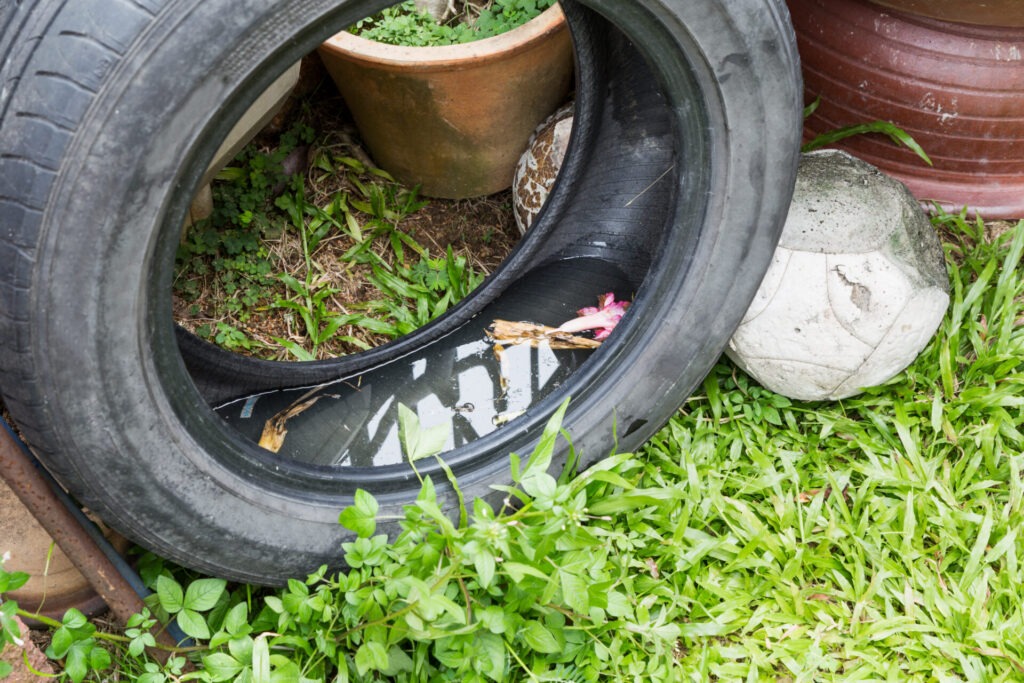
Find any sources of ponded water and either dump the water into your garden or a covered rain barrel for later use! Where possible, keep yard items tilted or upside down to prevent future ponding.
Landscape Your Way to Fewer Mosquitoes
If your yard often has standing water that lasts for more than 24 hours, work with your landscape to improve drainage! Incorporating drainage paths away from structures and into a rain garden or more vegetated area may help soak up water that would otherwise breed more mosquitoes.
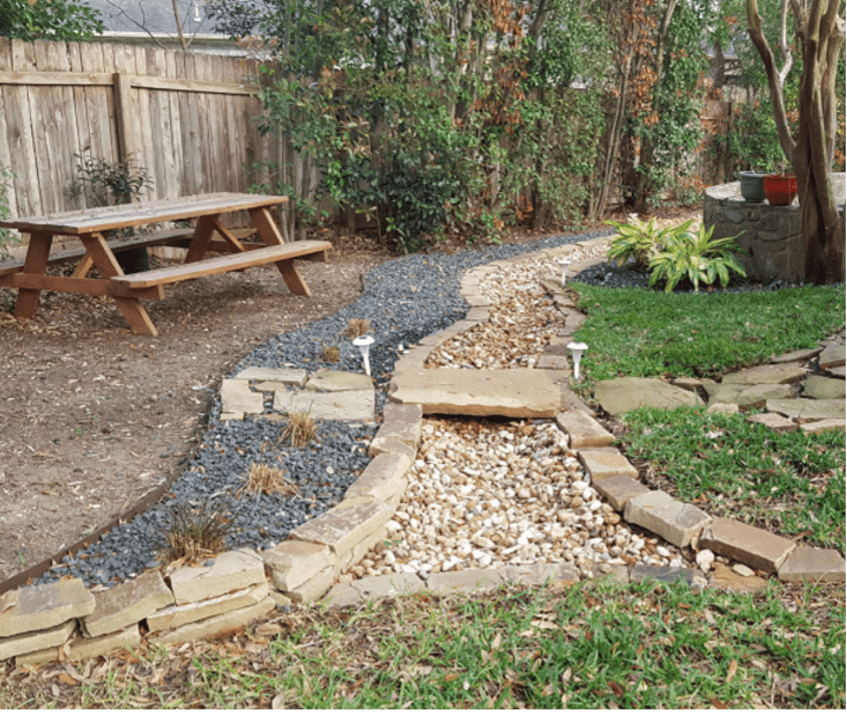
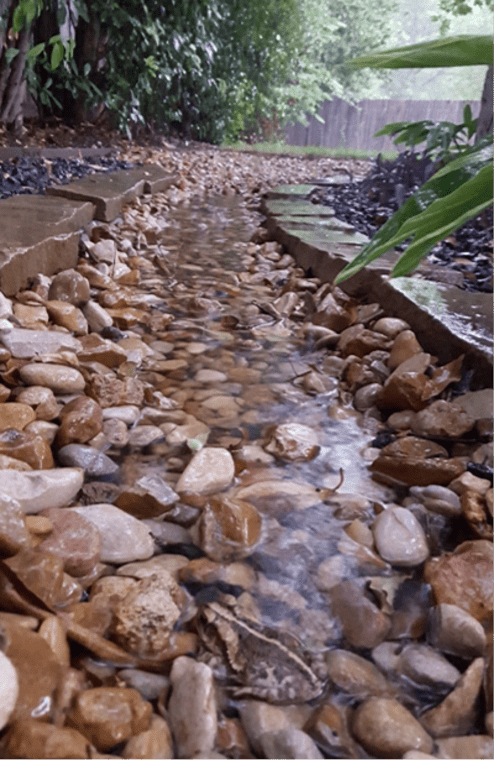
Want to create your own rain garden? Learn how with our video series!
Protecting Yourself and Your Backyard Ecosystem
Although there are some cool things about mosquitoes, they can carry diseases to humans which makes population control and personal protection all the more important! To protect yourself and your loved ones, use EPA-registered insect repellents on exposed skin and clothing. — they even have a handy tool to find the best one for you! A gentle breeze from an overhead or box fan couldn’t hurt either, as mosquitoes are weak fliers!
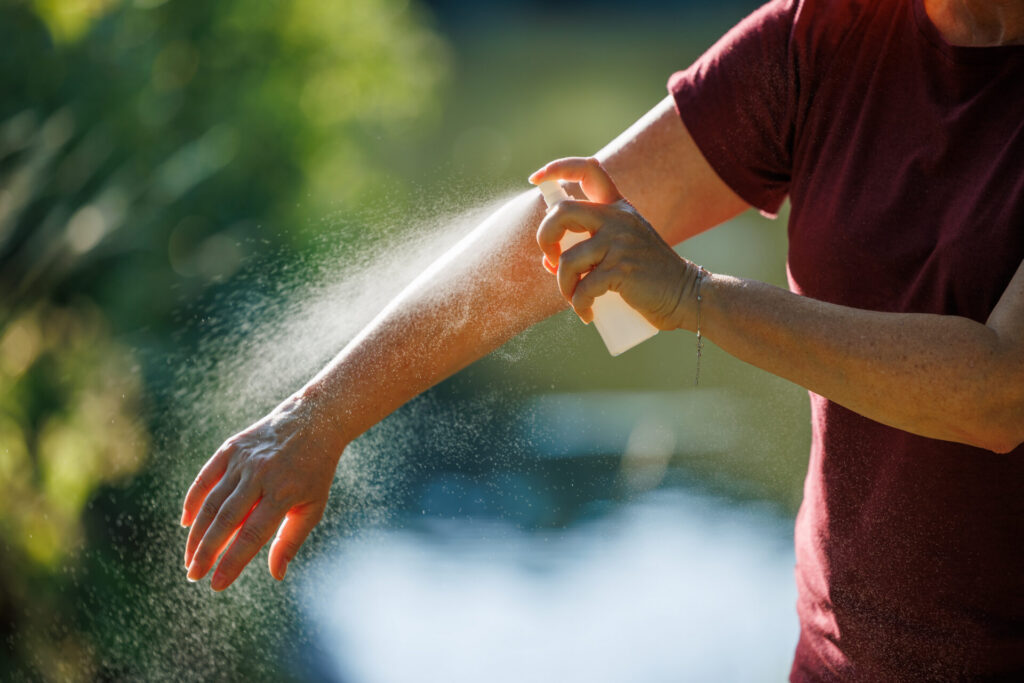
For the ecosystem-aware person, aerosol pesticides or insecticides — the kind often sprayed into the air or around the home and lawn to kill bugs — are not recommended. Pesticides are temporary, and if not targeted at a specific insect group can harm beneficial insects and possibly even people and other animals nearby.
If you do happen to get bites, here are some good resources for taking care of them!
Mosquitoes, despite their reputation as our adversaries, play a vital role in the ecosystem by pollinating plants and serving as a food source for other creatures. They create a fascinating link between land and water, vital for the riparian ecosystems of our San Antonio River Basin and the food webs within them. So next time one buzzes by, maybe give it just a little credit — from a safe distance, of course!