
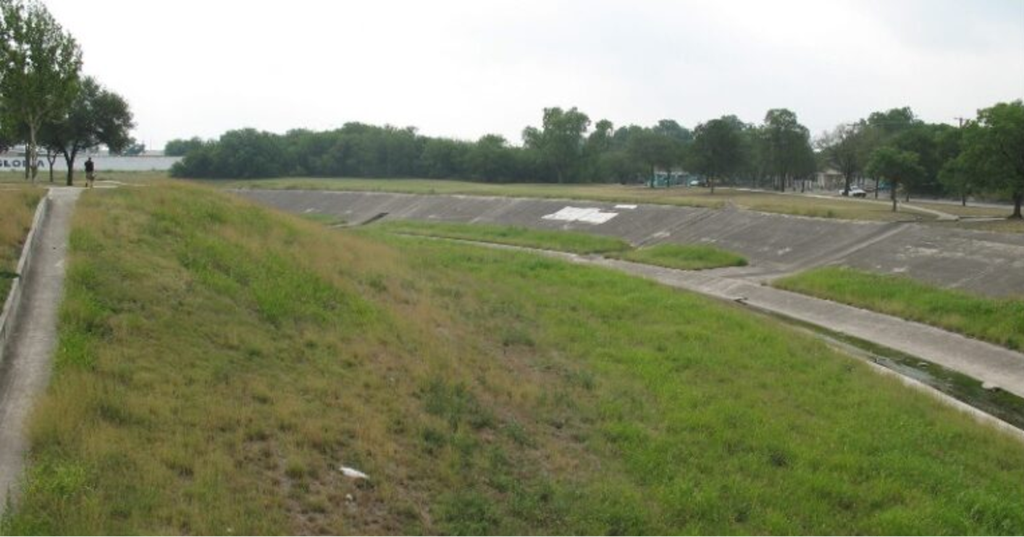
For decades, urban engineering treated creeks and rivers as narrow, single-purpose structures. The goal was simply to move floodwater away from people as quickly as possible. This grey infrastructure model resulted in streams being stripped of life. While they have been functional as drainage conveyance, they are detrimental to urban resilience.
Today, the San Antonio River Authority (River Authority) is executing a profound paradigm shift across its stewardship of the river basin covering Bexar, Wilson, Karnes, and Goliad Counties. The River Authority has spent the last three years moving beyond mere flood conveyance. By focusing on master planning for the Upper San Antonio River, Leon Creek, and Salado Creek watersheds, the River Authority is applying the lessons of the past to create a new vision for urban waterways. This transition toward Nature-based Solutions treats all drainage ways to our river as vital, multi-functional assets.

Nature-based Solutions are the New “Hybrid” Infrastructure
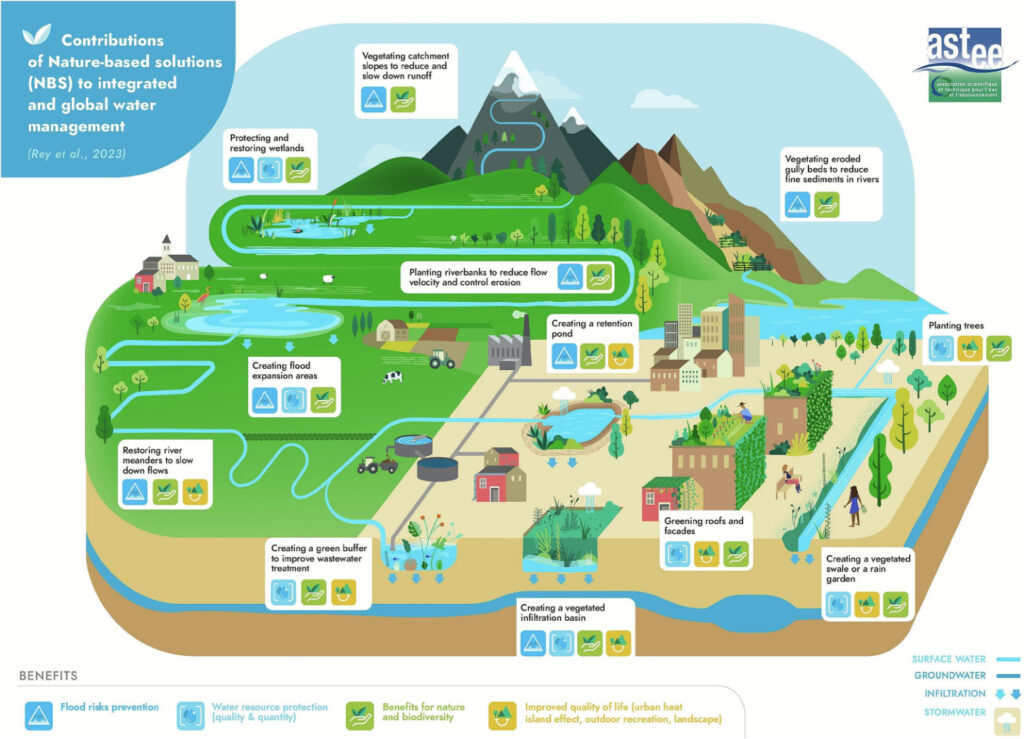
Nature-based Solutions (NbS) are far more than just “landscaping.” As a strategist looking at urban systems, NbS represents an umbrella of engineered systems including Green Infrastructure, Low Impact Development (LID), and Stormwater Best Management Practices (BMPs) that treat the river as a biological machine.
The technical evolution here is critical. The River Authority is moving away from strictly channelized stormwater conveyance and toward natural channel design and retrofitting existing drainage systems with nature. By integrating multi-functional natural features, these systems manage water while increasing environmental sustainability and community resilience. This approach fundamentally reimagines the waterway’s role in shifting from single-purpose drainage structures to a dynamic, multi-purpose stormwater management ecosystem.
The “Co-benefit” Multiplier Effect
In the world of urban resilience, NbS are the ultimate efficiency at play. While a traditional stormwater conveyance system provides the single service of drainage, NbS deliver a multiplier effect of co-benefits that address several urban challenges at once.
These systems are designed to reduce peak runoff while filtering and cleaning water. River Authority data on these systems identifies a significant reduction in a broad spectrum of pollutants, including:
- Bacteria and Nutrients—High bacteria levels in waterways limit recreational opportunities. High nutrient concentrations can lead to algal growth and lower dissolved oxygen levels.
- Total Suspended Solids (TSS)—High levels of TSS degrade aquatic health by limiting light, and they are generally indicative of higher bacteria levels.
- Oil, Grease, and Metals—High levels of oils, grease, and metals can be toxic to aquatic life.
- Heat—Unmanaged stormwater runoff, especially during warm weather months, can quickly raise river water temperatures, decrease available oxygen and result in fish kills.
By introducing vegetation back into typical drainage systems, NbS projects do more than clean the water; they mitigate the urban heat island effect and create essential habitats for local biodiversity. The result is a resilient system that adds value to both the community and the San Antonio River Basin’s wildlife.
The Strategy of Connectivity and Public Land
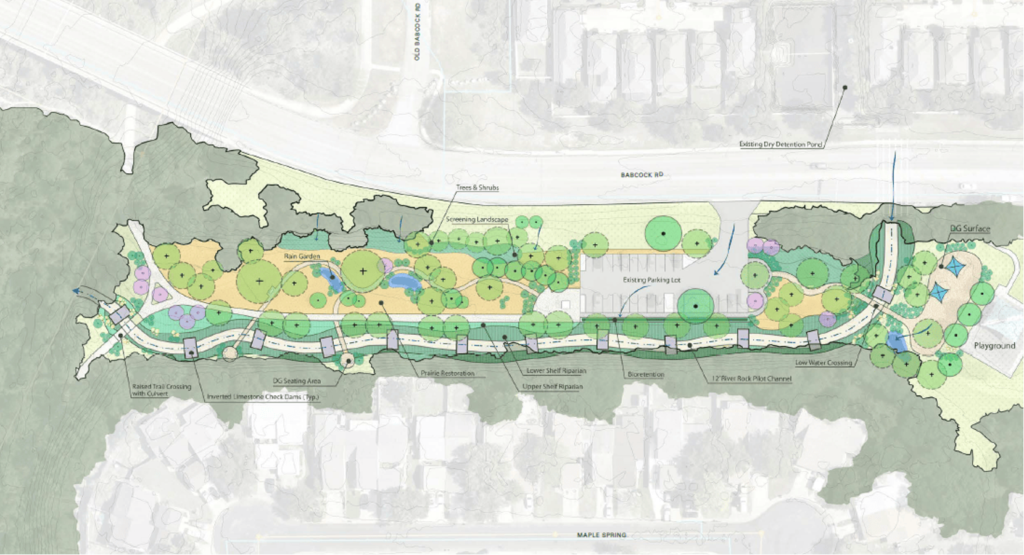
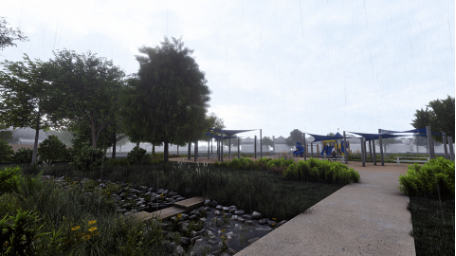
The River Authority’s strategy over the last three years has been defined by strategic efficiency. In planning the future of the Upper San Antonio River, Leon and Salado Creeks, the River Authority has focused on identifying publicly owned properties adjacent to existing greenway trail networks.
This is a calculated land-use choice. By piggybacking on land already in the public domain, the River Authority reduces acquisition hurdles and cost-prohibitive barriers. Connectivity is the secret ingredient; by linking water quality projects to places where people already recreate, the River Authority maximizes the community’s “enjoyment” return on investment (ROI). These plans prioritize sites that uplift water quality while simultaneously providing recreational and ecological value, ensuring every acre managed works harder for the taxpayer.

A New Blueprint for the Basin
The NbS master plans for the Upper San Antonio River, Leon, and Salado Creeks represent the next chapter of the San Antonio River’s resilience story. By treating our river basin as a living system rather than a drainage problem, the River Authority is building a region that is more prosperous, more enjoyable, and better equipped for the future.
As our region continues to grow, we must answer a fundamental question: How can we better balance urban expansion with the natural stewardship required for healthy river systems? The success of the suggests that the answer lies in seeing nature not as an obstacle to development, but as the most sophisticated infrastructure we have.

Author: Mikel Wilkins, Senior Engineer

Today’s blog was contributed by Mikel Wilkins, Senior Engineer for the San Antonio River Authority. Mikel is an environmental engineer with over 32 years of professional experience working in stormwater management and public open space planning and design. His expertise includes post-construction stormwater management policy, planning, and design, stream restoration, parks, and trails.