

Last Updated on July 20, 2026
As of May 2025, San Pedro Creek Culture Park is officially open in its entirety—and it’s nothing short of spectacular! Ten years in the making, this once plain flood channel has been reborn as a vibrant, art-filled urban oasis, bringing the San Antonio River Authority’s mission of Safe, Clean, and Enjoyable Creeks and Rivers to life. Stretching 2.2 miles through the heart of the city, the park is now a stunning blend of nature, history, and culture. In today’s blog, we’ll take you behind the scenes of its incredible transformation.
A City Built Between Waterways
Since San Antonio’s official founding as a city between the San Antonio River and San Pedro Creek in 1718, the historic center has been struck by numerous floods. Streams of new residents, often desperate for water in our semi-arid region, established their homes and businesses adjacent to the area’s aquifer-fed ephemeral streams. At the time, people didn’t yet understand—or even recognize—the concept of floodplains. Historical accounts describe the River and Creek overflowing their banks and merging into one powerful current that tore through Downtown San Antonio. Together with other regional floods, these events gave this area of Texas its infamous nickname: “Flash Flood Alley.”
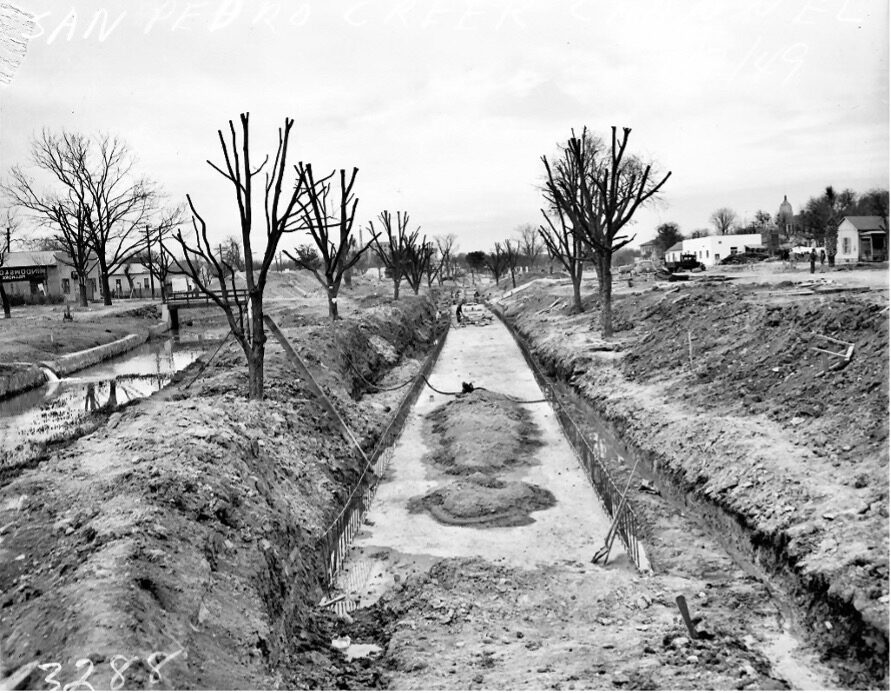
San Pedro Creek, 1930s. Courtesy: Light Collection, University of Texas at San Antonio Libraries Special Collections and Hearst Corporation.
Life in “Flash Flood Alley
After the devastating Flood of 1946, the River Authority shifted its focus to flood control, determined to protect the city from nature’s fury. Over the decades, we partnered with local, regional, and federal experts, applying the latest knowledge and technology of each era. From straightening and channelizing 30 miles of waterways in the 1950s to constructing two massive flood tunnels beneath Downtown in the 1990s, we invested in bold engineering solutions—trying to tame a force that could never be fully controlled.
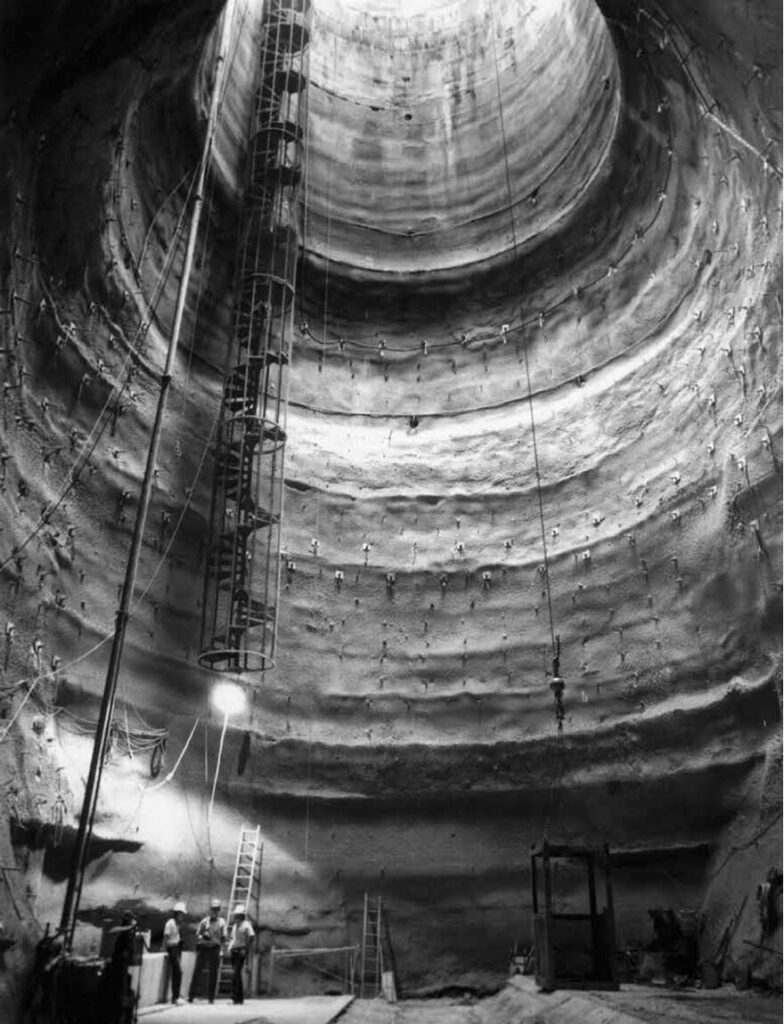
San Antonio River Flood Tunnel, 1990s. Courtesy: San Antonio River Authority Archive, University of Texas at San Antonio Libraries Special Collections.
Once a vibrant waterway, rich in both ecology and culture, San Pedro Creek was reduced to a mere ditch. Over time, it faded into the background, its banks taken over by utility lines and parking lots. What if this neglected creek, composed of concrete and channels and suffocated by impervious cover, could be brought back to life by embracing nature’s own processes?

Bigclaw River Shrimp were once found in the San Antonio River. This one, held by Marguerite Goodspeed, was caught in 1927. Courtesy: Light Collection, University of Texas at San Antonio Libraries Special Collections and Hearst Corporation.
A Second Chance for San Pedro Creek
The lessons learned from the Museum Reach and Mission Reach projects coalesced in the San Pedro Creek Culture Park. Breaking ground in 2016, the experience gained from the San Antonio River Improvements Project informed this new endeavor.
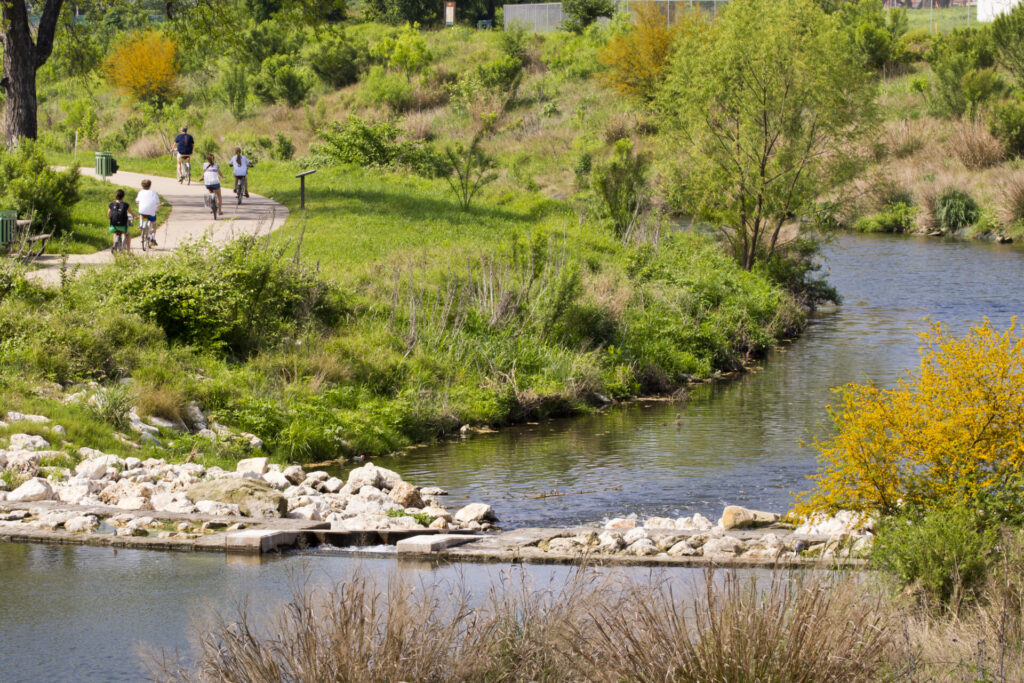
San Antonio River’s Mission Reach
A Walk Through Time
Similar to the Museum Reach, the northern section of the Culture Park (Santa Rosa St. to Chavez) features lots of hardscape, aquatic plantings, several waterfalls, and bioswales. As you travel south of Alamo Street, the Culture Park transitions into a more naturalistic waterway. Reminiscent of the Mission Reach, vegetated banks of native species and riffle pools create habitat for native fish and wildlife.
It’s also worth noting the architecture along the paseos (paths). Older buildings turn their backs on the water, reflecting the mindset of the era in which they were built. Back then, the stagnant and smelly waterway wasn’t a place people wanted to enjoy—or even notice.
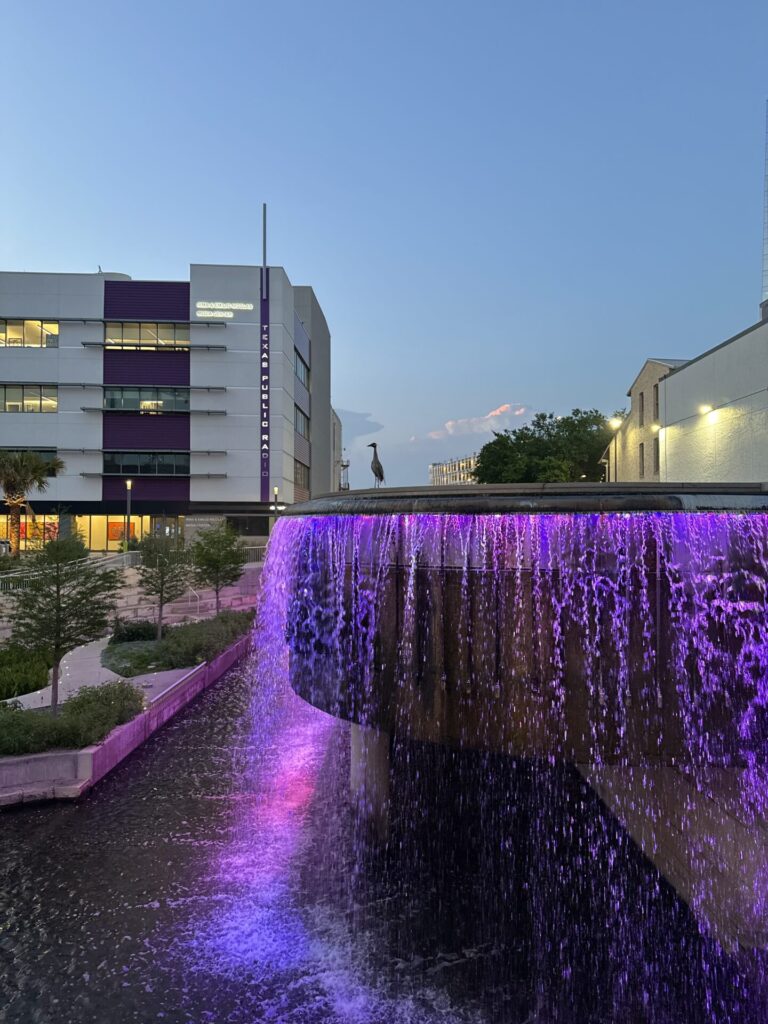
However, recent developments—like the Texas Public Radio, UTSA San Pedro Creek I, and Ruby City campuses—feature plazas and patios that open onto the creek, along with bioswales that help pre-treat polluted stormwater runoff.
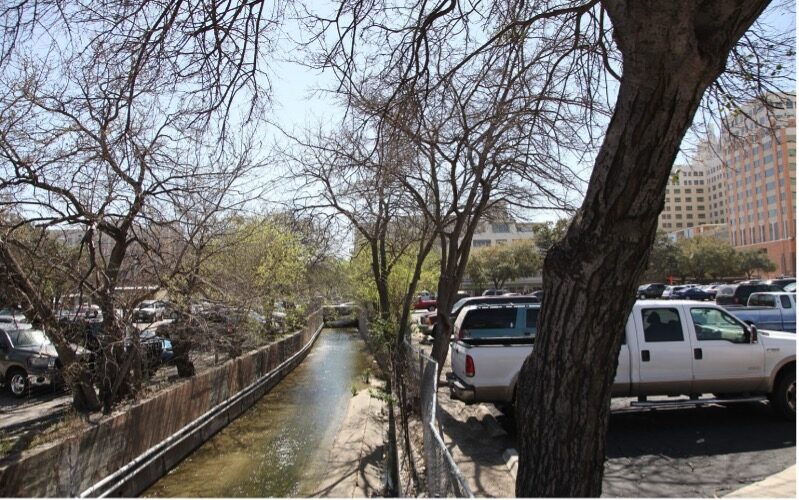
Before: Travis Street, 2017
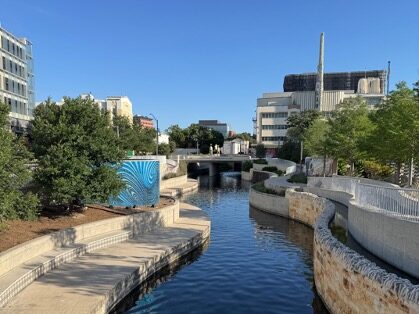
After: Travis Street, 2025
Reconnecting People to the River
The San Antonio River shares a similar story. For decades—beyond the famous Downtown River Walk—the River was largely inaccessible. Out of sight and out of mind, it became a hotspot for illegal dumping. Now, the River has transformed into vital public green space and currently hosts the largest completed urban ecosystem restoration project in the country: the Mission Reach Ecosystem Restoration. What makes these efforts truly revolutionary is how they reconnect communities with their waterways. By creating spaces where families can gather and make memories, we’re also inspiring future generations to become stewards of the environment.

Before: St. James AMEC Culture Crossing, 2017
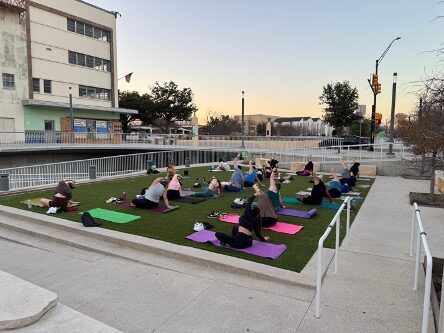
After: St. James AMEC Culture Crossing, 2025
The River Authority looks forward to bringing its expertise to future projects such as the Westside Creek Ecosystem Restoration Project, the expansion of the Howard Peak greenway system, and the Bexar County Creeks and Trails Program.
The Culture Park is still a hidden gem for many, but for those who’ve found it, it’s become part of their story. We invite you to experience it for yourself—take a walk or come to one of our creek-side events and start your own chapter.

This blog piece was contributed by Julen Navarrete, Communications Coordinator for the River Authority, who was recently interviewed by Forbes about one of his favorite topics—San Pedro Creek Culture Park! Julen’s deep knowledge of the creek’s history, art, and architecture shines through in this feature, reflecting not only his passion for the park but also his lifelong connection to it. The article, “San Pedro Creek Culture Park—San Antonio’s Other River Walk,” dives into the transformation of this historic waterway into the vibrant culture park we know today—a description Julen himself often shares when giving tours.