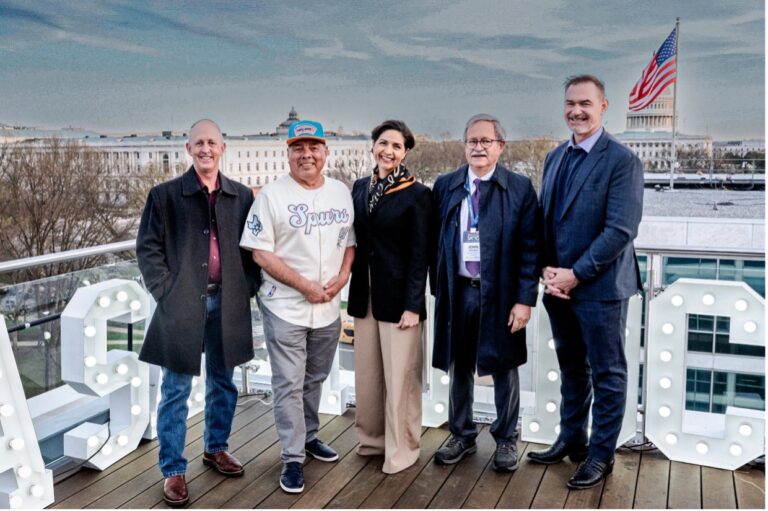

A Long-Term View of the River Authority
You are the longest-serving board member of the River Authority. Looking back over more than three decades, what changes have been most remarkable to you?
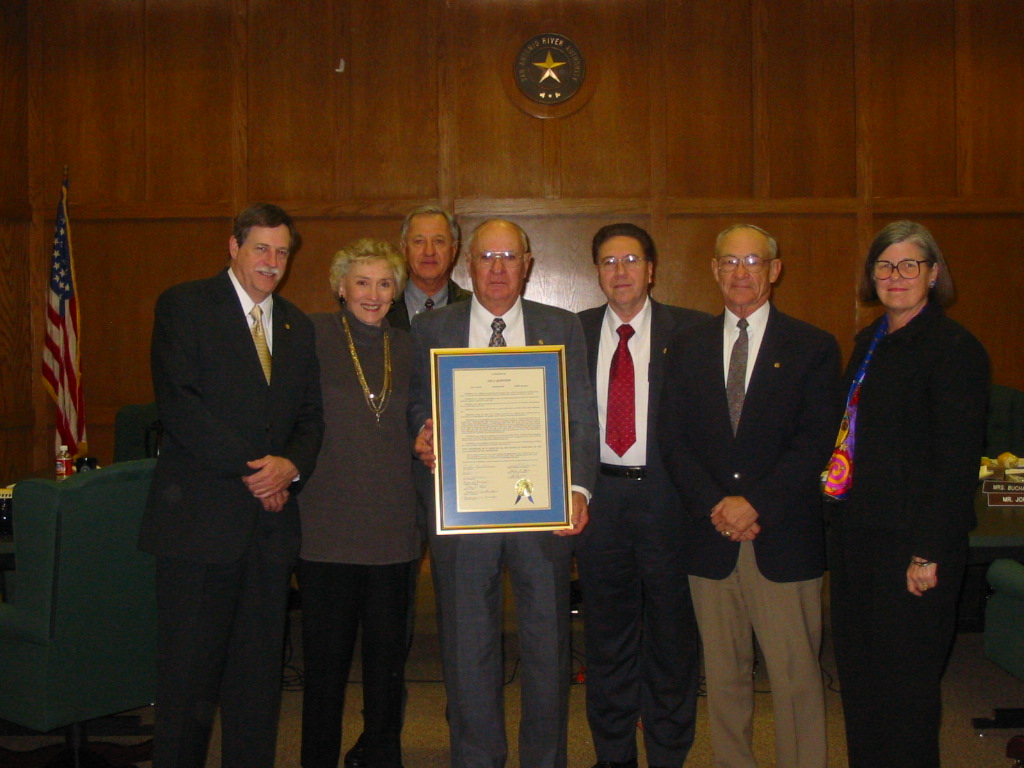
When I first joined the board, the River Authority was a much smaller organization. Over the years, I’ve watched the agency grow significantly in both staff and resources, allowing it to take on a much broader range of responsibilities.
What has impressed me most is that while the organization has expanded, the focus has remained the same: serving the communities throughout the basin and protecting our water resources. The scale of the work may be larger today, but the mission of public service remains at the heart of everything the River Authority does.
How has the River Authority’s mission evolved during your time on the board?
The organization has become much more than many people realize. While flood control and water management remain core responsibilities, today’s River Authority is involved in environmental stewardship, scientific monitoring, public education, recreation, watershed planning, and community partnerships.
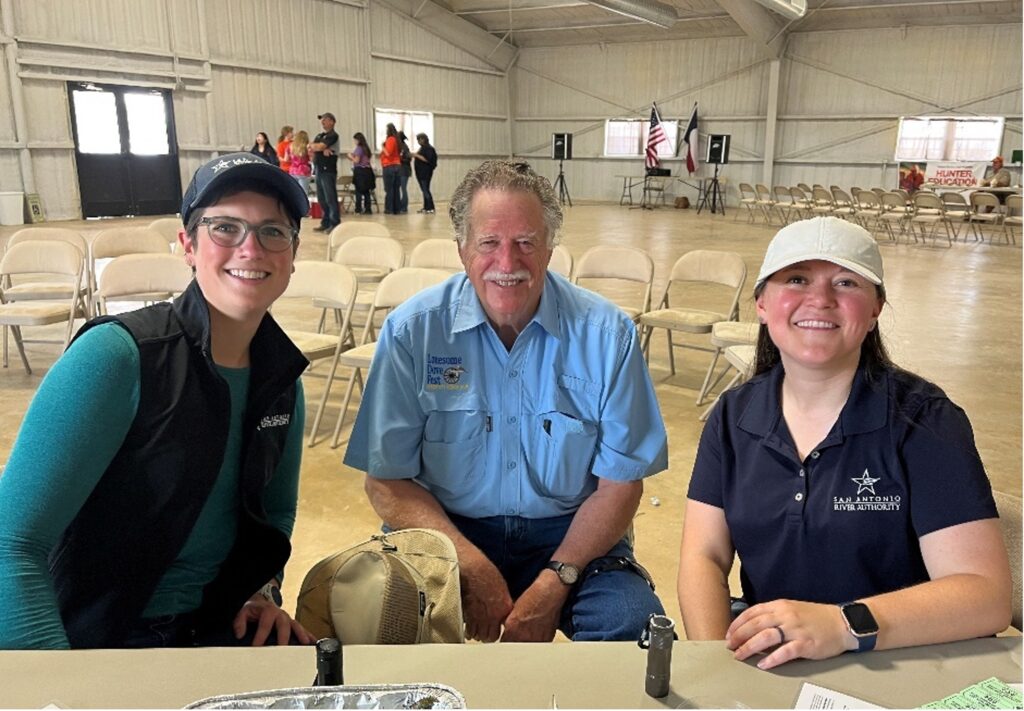
As the region has grown, the River Authority has adapted to meet new challenges while continuing to provide the services our communities depend on. That ability to evolve has been one of the organization’s greatest strengths.
The communities served by the River Authority have experienced tremendous growth. How has the organization grown alongside them?
Growth throughout South Texas has required the River Authority to continuously expand its capabilities. The number of employees, the size of the budget, and the scope of projects have all increased over the years to meet the needs of a growing population.
That growth has allowed the organization to invest in new technologies, improve flood warning capabilities, and develop programs that help safeguard both people and natural resources throughout the basin.
What major projects or accomplishments stand out when you reflect on your years of service?

Several projects come to mind, particularly those that have strengthened both community connections and environmental stewardship.
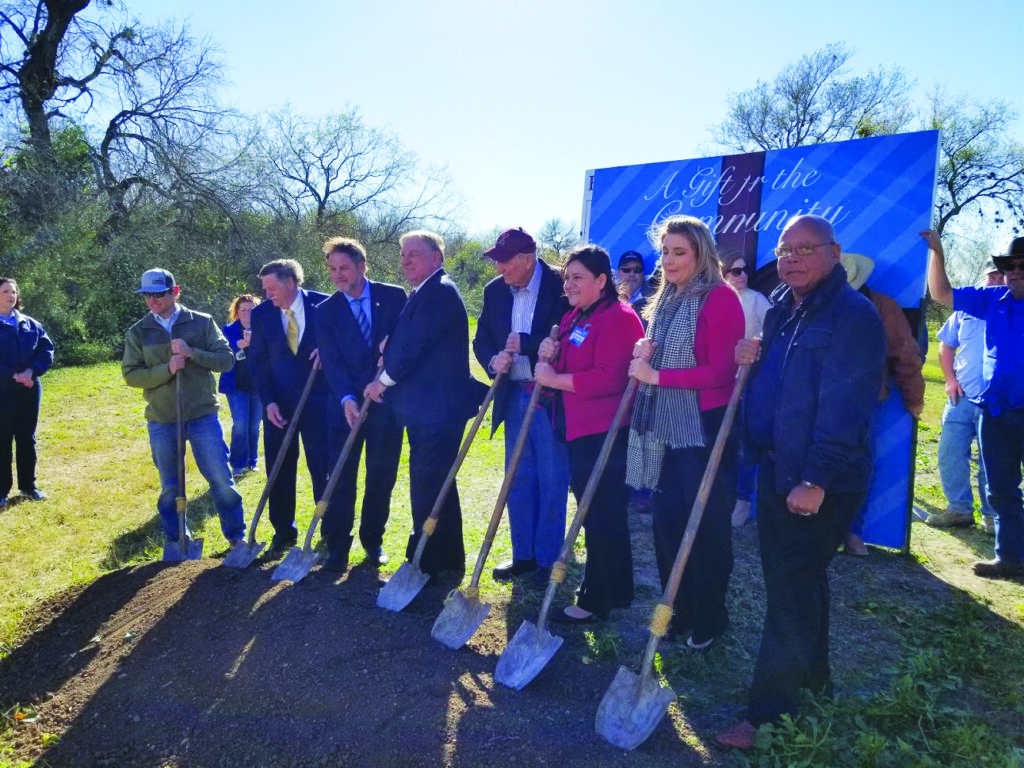
Public spaces such as Confluence Park, Escondido Creek Parkway, and recreational improvements such as paddling trails throughout the watershed have created opportunities for people to experience and appreciate the river system. These projects demonstrate how the River Authority can balance public access, education, conservation, and water management.
Seeing residents enjoy these resources while also benefiting from improved flood protection has been especially rewarding.
During your tenure, you’ve worked with multiple general managers and leadership teams. What lessons have you learned from watching the organization evolve?
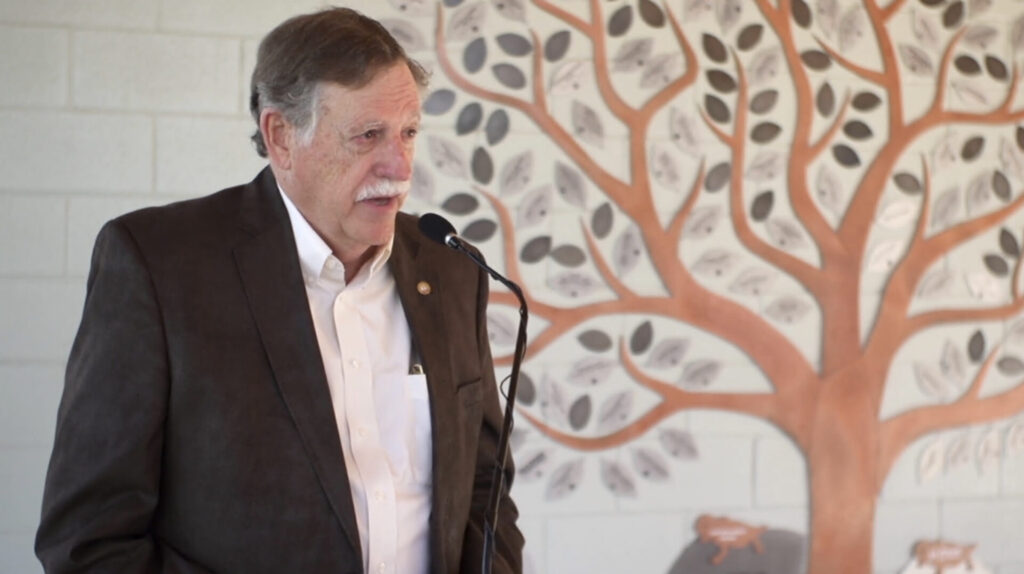
One lesson is that strong organizations continue to adapt while remaining focused on their core purpose. Each leadership team has brought different ideas and perspectives, but all shared a commitment to serving the public and protecting water resources.
Success comes from combining experience with innovation. The River Authority’s ability to embrace new technologies and new approaches while building on decades of knowledge has contributed to its continued success.
Looking ahead, what excites you most about the future of the River Authority?

I am excited about the opportunities technology provides to better manage water resources, communicate with the public, and strengthen flood preparedness efforts.
I also believe the River Authority will continue to play an increasingly important role as our region grows. Protecting waterways, supporting communities, and ensuring future generations have access to healthy rivers and natural spaces will remain important priorities for years to come.